About the Academy
A non-political, non-profit institution for religion, education, culture, social welfare and archaeological research.
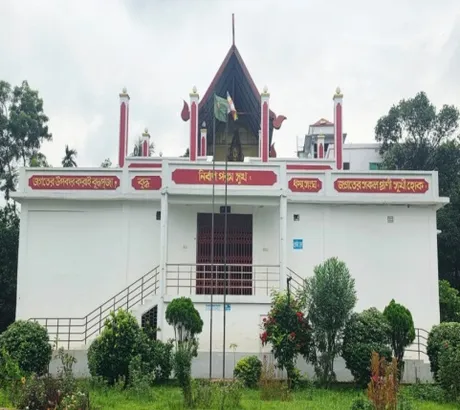
The Bangladesh Buddhist Cultural Academy (BBCA) is a master project of the Young Men’s Buddhist Association (YMBA), Cumilla. YMBA was established in 1991 and is registered with the Department of Social Services (Reg. No. Com/481/92) under the Ministry of Social Welfare, Government of the People’s Republic of Bangladesh. The Academy is always ready to welcome researchers, scholars and tourists from home and abroad.
It is a non-political, non-profit institution for education, religion and culture, socio-economic development and archaeological research. It stands beside the historic Salban Vihara monastery (8th century) at Kotbari, Mainamati, in the district of Cumilla, Bangladesh.
Kotbari is also a significant tourist centre, located midway between the capital, Dhaka, and the main port city, Chittagong. Visitors can reach us by bus, train or any vehicle from any part of Bangladesh by following Google Maps. Safe and secure dormitory accommodation is available on our premises (charges apply). While here, you can enjoy the natural beauty of Mainamati, the scattered relics of an ancient Buddhist civilisation, and the rare archaeological treasures of the nearby Mainamati Archaeological Museum.
- Founded
- YMBA, 1991
- Registration
- Department of Social Services, Reg. No. Com/481/92
- Campus
- 2.28 acres in two plots
- Location
- Kotbari, Mainamati, Cumilla
Our history
In ancient times this region was called Samatata, and it was famous for its rich Buddhist culture and civilisation. It is said that nearly a hundred kings reigned over the area between the 7th and 13th centuries, from royal dynasties such as the Kharga, Deva, Chandra and Pala. The historic Salban Mahavihara (8th century) and about 50 excavated monasteries are scattered across the area.
In the course of time these institutions suffered catastrophic destruction. Yet their splendour has not faded, and their glory still shines. The grandeur of these Buddhist viharas and universities continues to brighten our society; they are an integral part of our history, culture and heritage. We regret that we could not conserve these enlightened seats of learning, nor make use of the resources and potential they produced. This is one reason we have lagged behind in many areas of life.
Today 25 Buddhist villages lie scattered to the south of the Lalmai hills, and nearly 20,000 Buddhists live alongside other communities across greater Cumilla and Noakhali. Most of them bear the title Singha and follow Theravada Buddhism. They carry the majestic legacy of the ancient Buddhist heritage of this land. Many in the community, however, are still deprived of learning, education, culture, employment and modern facilities, and are falling further behind.
So in 1991, under the leadership of the late Advocate Dhira Sen Singha (Gandhi) and the tireless Most Venerable Shilabhadra Mahathero, the whole Buddhist community of Cumilla and Noakhali came together under one umbrella: the Young Men’s Buddhist Association (YMBA). In 1994, in response to our appeal, the Government of Bangladesh, through the generosity of the then Prime Minister Begum Khaleda Zia and the late Lt Colonel (Retd.) Akbar Hossain, Bir Protik, then Minister for Environment and Forests, granted us 2.28 acres of land in two plots beside the historic Salban Vihara to establish the Bangladesh Buddhist Cultural Academy. The foundation stone of the Academy was laid in December 1994.
The campus
The Government of Bangladesh granted 2.28 acres of land in two plots next to the historic Salban Vihara.
Several important institutions now stand in this part of Kotbari-Mainamati, among them the Bangladesh Academy for Rural Development (BARD), the Mainamati Museum, Cumilla University, an army technology university and a private university.
Our running projects stand on Plot 1 of the Academy’s land, and many poor and helpless children benefit from them directly. On Plot 2 we plan a students’ hostel, a co-educational English-medium school, a health clinic and an archaeological research centre.
Plot 1: running projects
- New Salban Vihara and Prayer Hall
- World Peace Pagoda Analayo
- Salban Vihara Orphanage
- Salban Vihara Library
- Salban Vihara Guest House
- Religious School
- Novice and Monks' Training and Meditation Centre
- Kindergarten School
Distinguished visitors
Diplomats, tourists and scholars from home and abroad visit our holy premises every day, and they leave cheerful and pleased. We have had the great pleasure of welcoming Her Excellency Mrs. Veena Sikri and His Excellency Mr. Pranay Verma, High Commissioners of India, and the Honourable Assistant High Commissioner Mr. Aninda Chokraborty. The High Commissioners and Ambassadors of Japan, Thailand, Sri Lanka, Bhutan, Nepal and Myanmar have also visited the holy courtyard.
Aims and objectives
-
Working for the welfare of all beings through loving-kindness, compassion, sympathetic joy and equanimity, as exemplified by Gautama Buddha.
-
Creating self-employment by giving technical and vocational education to young people held back by poverty and lack of opportunity.
-
Building close ties and brotherhood with Buddhist organisations worldwide through international meetings, seminars and conferences.
-
Providing health, education and care for neglected, poor, destitute and orphaned children.
-
Running a Monks' Training Centre that shapes newly ordained novices in the Buddha's ideals of sila (precepts), samadhi (meditation) and prajna (wisdom).
-
Reviving the ancient Buddhist civilisation and culture of the Cumilla region, long faded into oblivion, and presenting it to the world.
-
Assisting scholars and researchers from home and abroad who study the ancient Buddhist relics of Cumilla and the rest of Bangladesh.
-
Providing healthcare to the poor, the destitute and the elderly of the area through health clinics.
Publications
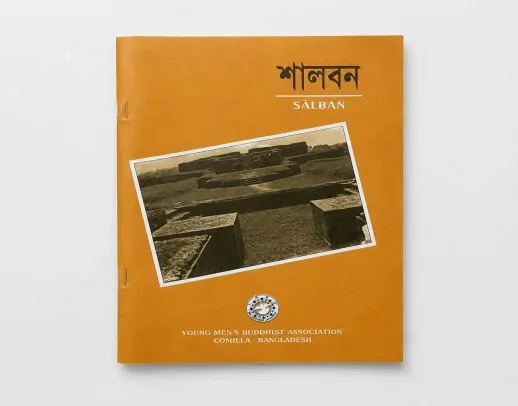
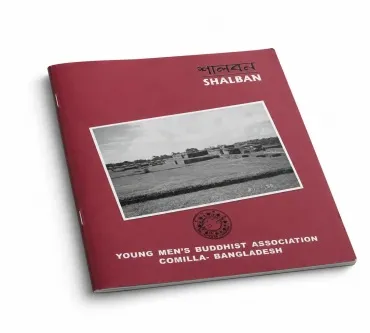
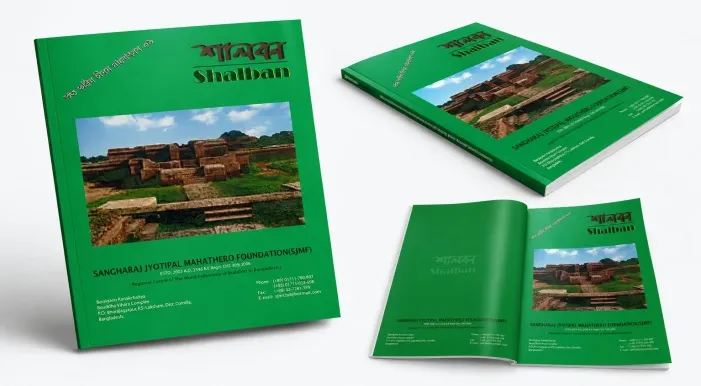
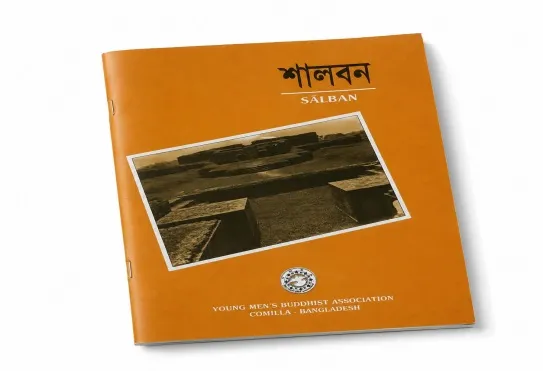
Souvenirs and commemorative books, including the Academy's Shalban souvenir series.
-
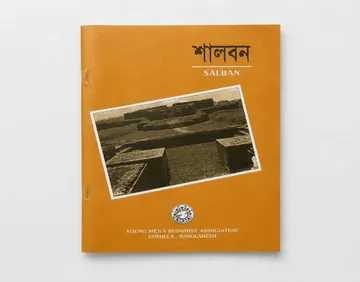
Shalban
Souvenir, YMBA Cumilla
-
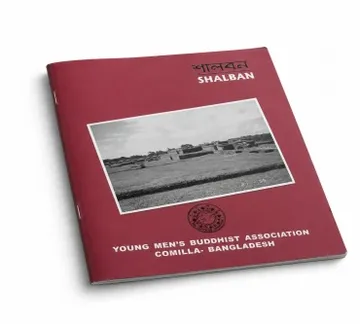
Shalban
Souvenir, YMBA Cumilla
-
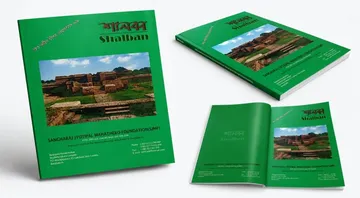
Shalban
Souvenir
-
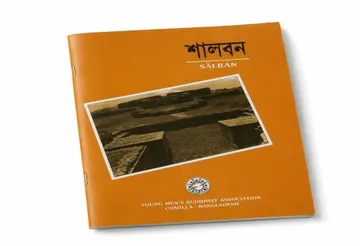
Shalban
Souvenir, YMBA Cumilla
-
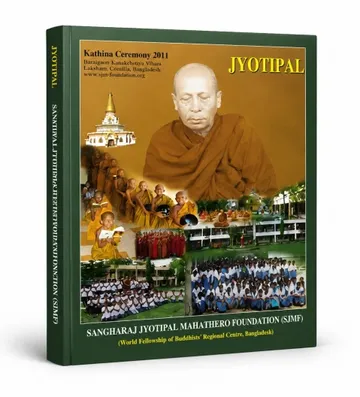
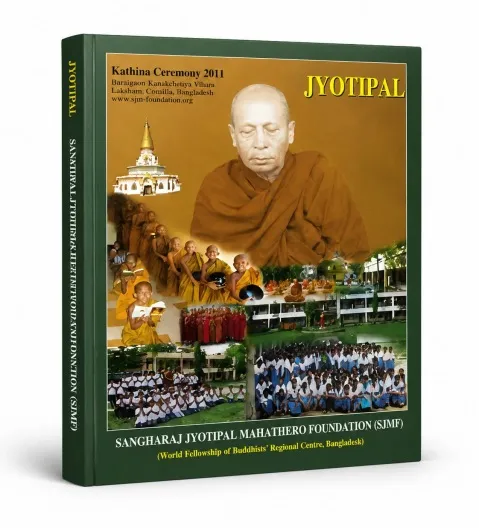
Jyotipal
Kathina Ceremony 2011, Sangharaj Jyotipal Mahathero Foundation
-

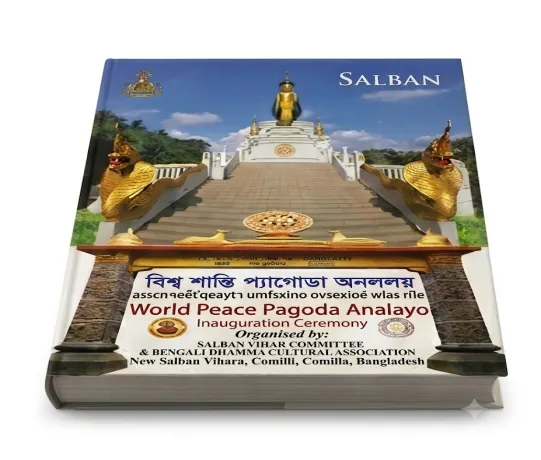
World Peace Pagoda Analayo
Inauguration Ceremony souvenir